
The Allure of Gambling
Casino gambling presents an enticing blend of entertainment, excitement, and the potential for financial gain, making it a popular pastime. The allure lies not only in the chance to win money but also in the immersive environment of casinos. Bright lights, enticing sounds, and a vibrant atmosphere create a sensory overload that captivates visitors. This carefully crafted ambiance is designed to engage players, drawing them into a world where the possibility of winning feels just within reach. In fact, some players actively seek the best casino sites not on gamstop to enhance their gaming experience.

Moreover, the thrill of risk plays a significant role in attracting individuals to gamble. The uncertainty of the outcome ignites adrenaline, heightening emotional responses and creating a sense of euphoria. Many gamblers find themselves entranced by the idea that luck can change in an instant, ultimately leading to an irresistible pull towards the gaming tables and slot machines.
Emotional and Psychological Factors
The psychology behind casino gambling is deeply rooted in various emotional and psychological aspects. Many players engage in gambling as a form of escapism, seeking relief from their daily stressors or emotional challenges. The act of placing bets can provide a temporary distraction from reality, allowing individuals to immerse themselves in the thrill of the game. This emotional reprieve can become addictive, leading players to gamble more frequently in search of that same high.
Additionally, the concept of winning feeds into the psychology of gambling. When players experience even small wins, it reinforces the behavior, creating a reward loop that encourages continued play. This phenomenon can lead to a skewed perception of gambling success, as players may remember wins more vividly than losses, persuading them to return in hopes of repeating the experience.
The Role of Cognitive Biases
Cognitive biases play a significant role in shaping a gambler’s experience and decision-making process. One prevalent bias is the “gambler’s fallacy,” where individuals believe that past events affect future outcomes. For instance, a player might think that after several losses, they are “due” for a win, leading them to gamble more than they intended. This misunderstanding of probability can trap gamblers in a cycle of chasing losses, further deepening their commitment to gambling.
Confirmation bias also influences gamblers’ perceptions, as they tend to focus on information that supports their beliefs while ignoring evidence that contradicts them. This can manifest in attributing wins to skill while attributing losses to bad luck. Such cognitive distortions not only affect gambling behavior but can also escalate into problem gambling, causing significant personal and financial consequences.
The Impact of Social Influence
Social factors play an essential role in gambling behavior, especially within a casino environment. The presence of other players can amplify excitement and create a sense of community, encouraging individuals to engage in gambling. This social validation can lead to increased gambling activity as individuals may feel compelled to join in the fun or compete with others.
Furthermore, the role of peer pressure cannot be underestimated. Friends or family members who gamble may influence an individual’s perceptions of gambling, normalizing the behavior and fostering an environment where gambling becomes a shared activity. This social dynamic can exacerbate gambling tendencies, particularly in susceptible individuals seeking acceptance or camaraderie.
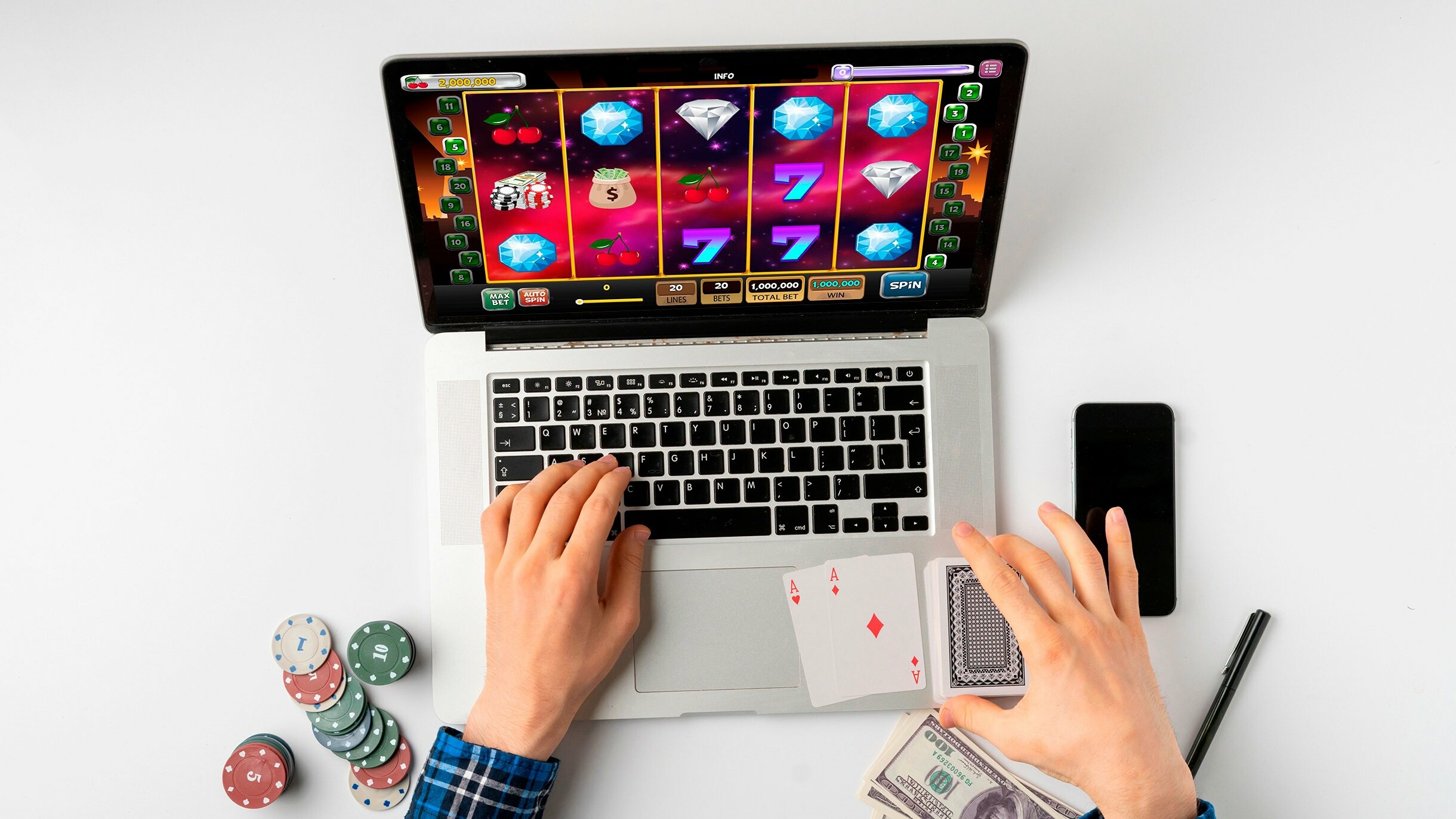
Resources for Responsible Gambling Support
Understanding the psychology behind casino gambling is crucial for fostering responsible gambling practices. Awareness of emotional, psychological, and social influences can empower individuals to make informed choices while gambling. Many organizations provide resources aimed at supporting those who may struggle with gambling-related issues, helping them navigate their experiences safely.
For those seeking assistance, it’s vital to access platforms that prioritize well-being. Education about the risks and recognizing the signs of problem gambling are critical aspects of promoting a healthier relationship with gambling. These resources can offer guidance and support, ensuring individuals can enjoy gambling as a form of entertainment rather than a risk to their emotional and financial health.